
Client Situation
A battery energy storage manufacturer sought to capitalize on the exceptional renewable energy incentives available in Washington, DC, widely recognized as one of the most attractive markets in the United States for solar generation due to its strong policy support and premium pricing for renewable energy credits, namely the Solar Renewable Energy Credits (SRECs).
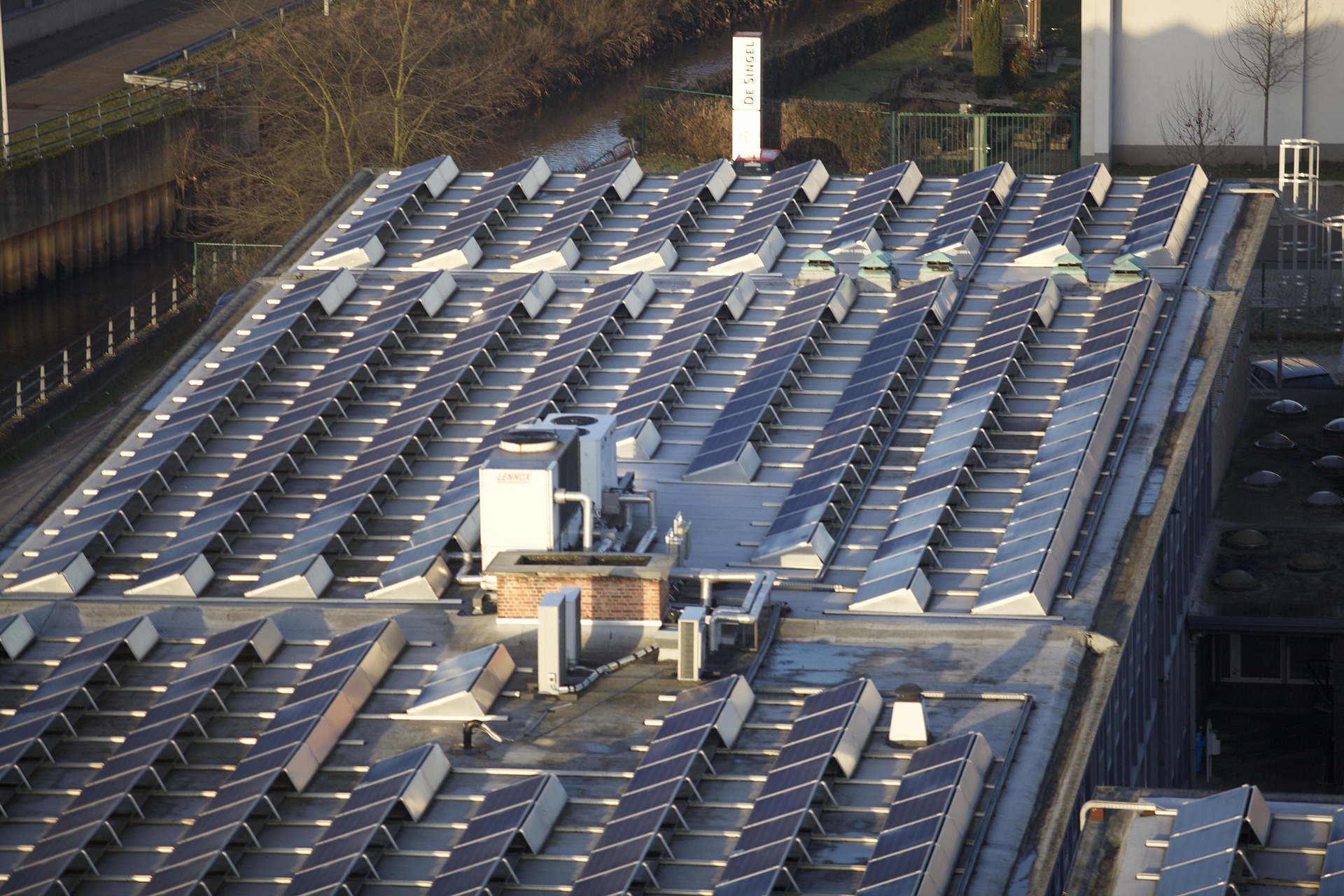
However, the market presented a fundamental constraint: limited access to land. Unlike other regions where large-scale solar farms can be developed, Washington DC offers very little available space for ground-mounted installations. As a result, a significant portion of the city’s solar potential remained untapped, particularly across underutilized commercial rooftops.
At the same time, many property owners were not fully leveraging their rooftop assets, which generated no revenue and were often considered operational dead space, because they did not have the necessary capital and ways to utilize the surplus energy.
Strategic Challenge
The opportunity was clear but complex:
-
How to unlock solar generation capacity in a land-constrained urban environment
-
How to align incentives between property owners and energy developers
-
How to maximize the commercial value of rooftop installations beyond energy generation
-
How to ensure consistent energy availability despite the intermittent nature of solar power
Additionally, many commercial buildings faced limitations in attracting high-energy-consumption tenants due to insufficient or expensive power supply, restricting their ability to increase rental income or diversify tenant profiles.
Our Approach
We developed a comprehensive strategy through licensing, that transformed underutilized rooftops into high-performing energy and revenue-generating assets, combining solar generation, energy storage, and commercial optimization.
1. Rooftop Asset Monetization
We identified and aggregated suitable commercial rooftops across Washington, DC, focusing on properties with strong structural capacity and favorable solar exposure.
Rather than requiring upfront investment from property owners, we structured agreements that:
-
-
-
Enabled the leasing of previously unused rooftop space
-
Provided property owners with a share of the revenue generated
-
Created long-term, predictable income streams
-
-
This approach aligned incentives and allowed building owners to participate in the upside of renewable energy generation without operational complexity.
2. Solar Development in a Constrained Market
By shifting from ground-based installations to distributed rooftop solar arrays, we unlocked generation capacity in a market where land scarcity is a defining constraint.
The District of Columbia’s SRECs regulatory environment and incentive structure made each kilowatt of installed solar capacity particularly valuable. This allowed projects to achieve strong financial returns despite the smaller physical footprint of rooftop systems.
3. Integration of High-Performance Energy Storage
To further enhance the value of the installations, we deployed high-power-discharge industrial LFP (lithium iron phosphate) battery storage systems alongside the solar arrays.
These systems enabled:
-
-
-
Capture of excess solar energy during peak production
-
Continuous energy availability beyond daylight hours
-
Improved grid resilience and business continuity
-
-
By transforming intermittent solar generation into a reliable 24/7 energy solution, the projects became significantly more attractive to both property owners and commercial tenants.
4. Expansion of Commercial Revenue Streams
With access to reliable and scalable energy, property owners were able to unlock new revenue opportunities:
-
-
-
EV charging infrastructure powered by on-site renewable energy
-
Attraction of high-energy-consumption tenants previously unable to operate in these buildings
-
Premium leasing opportunities for businesses requiring stable, high-capacity power supply
-
-
What were once underutilized rooftops became a strategic advantage, supporting both energy generation and increased property-level revenue diversification.
5. Structuring Long-Term Power Purchase Agreements (PPAs)
We structured and negotiated long-term Power Purchase Agreements (PPAs) tied to the energy generated by the rooftop systems.
These agreements provided:
-
-
-
Stable, predictable cash flows over extended periods
-
Attractive yields supported by Washington DC’s strong incentive environment
-
Financial instruments that could be packaged and sold at a premium in the market
-
-
By combining energy generation with financial structuring, the projects evolved from simple installations into high-value infrastructure assets.
The Outcome
The initiative successfully transformed previously unused rooftop space into a fungible network of distributed renewable energy assets across Washington, DC.
Key outcomes included:
-
Deployment of solar arrays across multiple commercial rooftops
-
Integration of advanced battery storage enabling 24/7 energy availability
-
Creation of new revenue streams for property owners through energy sharing and tenant expansion
-
Development of EV charging capabilities powered by on-site renewable energy
-
Execution of long-term PPAs with strong market value
-
Monetization of previously unusable real estate assets
Strategic Impact
This project demonstrated how constraints can be transformed into strategic advantages. By leveraging rooftops instead of land, aligning incentives with property owners, and integrating energy storage with solar generation, we created a scalable model for urban renewable infrastructure.
The combination of high-value incentives, innovative asset utilization, and financial structuring resulted in projects that delivered:
-
Strong economic returns
-
Enhanced property value
-
Increased tenant attractiveness
-
Long-term, tradable energy contracts
Key Insight
In dense urban environments like Washington DC, the future of renewable energy lies not in large-scale land acquisition, but in reimagining existing infrastructure. By combining distributed generation, advanced storage, and strategic commercialization, even the most constrained markets can become highly profitable platforms for energy innovation.