
The Untapped Revenue Opportunity Global Wine Traders Are Missing
The Regions Global Buyers Should Be Watching
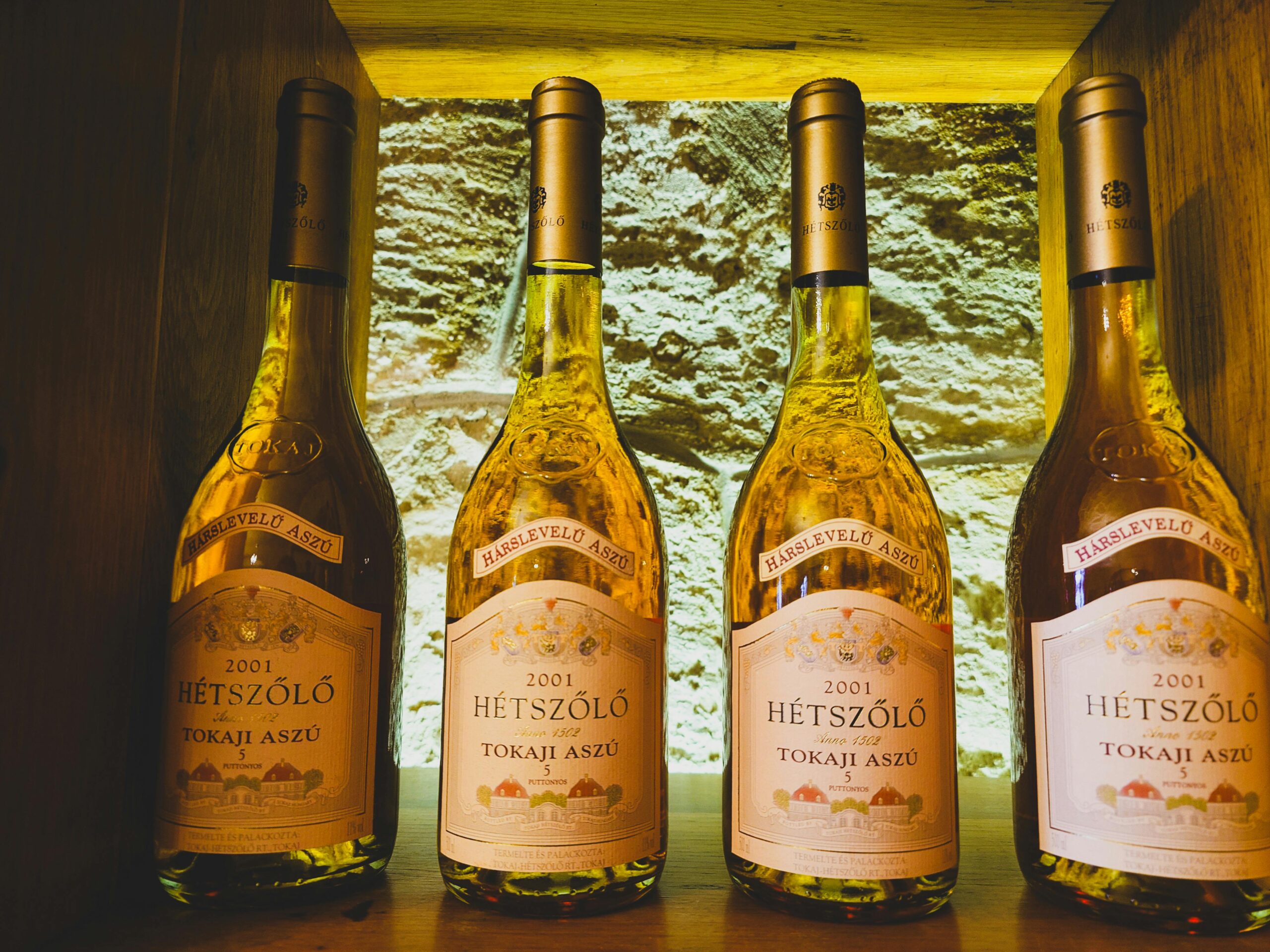
Tokaj
Perhaps Hungary’s most internationally recognized wine region, famous for Tokaji Aszú — historically known as the “Wine of Kings, King of Wines.”
Key opportunities:
- premium dessert wines,
- luxury gifting markets,
- collector editions,
- rare vintage investment positioning,
- Michelin restaurant pairing programs.
Tokaj also produces increasingly respected dry Furmint wines that fit modern fine-dining trends.
Villány
A premium red wine region increasingly attracting international attention for Bordeaux-style blends and powerful full-bodied reds.
Ideal for:
- steakhouse chains,
- luxury hotel programs,
- cigar lounges,
- private-label premium reds.
Eger
Known for the historic “Bull’s Blood” (Egri Bikavér) blends and elegant cool-climate reds.
Positioning opportunities include:
- storytelling-heavy heritage marketing,
- medieval branding themes,
- experiential tourism partnerships,
- sommelier education campaigns.
Somló
A volcanic micro-region producing highly mineral wines from rare indigenous varieties.
This region is particularly attractive for:
- natural wine markets,
- biodynamic wine programs,
- avant-garde restaurants,
- specialty importers targeting wine enthusiasts and collectors.
The Seasonal Opportunity Curve
Strategic traders who understand seasonality can generate multiple layers of value beyond standard export margins.
Harvest Season (Late Summer–Autumn)
This is the prime relationship-building period:
- vineyard visits,
- production negotiations,
- exclusivity discussions,
- early allocation agreements,
- vintage pre-purchase contracts.
Access secured here often determines profitability later.
Holiday Luxury Sales Season
Tokaji dessert wines and premium reserve selections align perfectly with:
- Christmas gifting,
- luxury hampers,
- corporate gifts,
- private aviation catering,
- embassy and diplomatic gifting,
- New Year hospitality programs.
Spring & Summer Tourism Season
Wine tourism creates additional monetization channels:
- curated vineyard tours,
- investor hospitality,
- culinary partnerships,
- wine retreats,
- executive networking events.
A business developer can monetize not only the wine — but the ecosystem surrounding the wine.
Award-Winning Cellars Few Global Buyers Know
Across Hungary are highly awarded wine cellars and boutique estates producing wines that routinely outperform expectations in blind tastings and international competitions.
Yet many remain virtually invisible outside niche sommelier circles.
This imbalance creates asymmetric opportunity:
- globally competitive quality,
- locally constrained pricing,
- limited export sophistication,
- underexploited brand equity.
For strategic intermediaries, this gap is where value creation happens.
The Real Money Is Not in the Bottle
Most inexperienced traders think the opportunity is simply:
- Secure wine cheaply
- Obtain exclusivity
- Export at higher margins
That is only the first layer.
The deeper revenue opportunities are far more sophisticated.
Unorthodox Revenue Models Most Traders Ignore
1. Curated Global Wine Collections
Rather than selling Hungarian wine alone, traders are encouraged to create:
- “Volcanic Wines of the World,”
- “Hidden Europe Collections,”
- “Ancient Wine Civilizations,”
- “Rare Indigenous Grapes.”
Hungarian wines become part of a high-margin storytelling portfolio.
This dramatically increases perceived value.
2. White-Label Luxury Hospitality Programs
Boutique hotels, private clubs, airlines, yachts, and resorts increasingly seek exclusive labels unavailable in retail channels.
A trader can:
- source wine,
- rebrand selectively,
- create proprietary collections,
- secure recurring hospitality contracts.
The margin multiplier can be enormous.
3. Wine Subscription Ecosystems
Consumers increasingly pay for discovery experiences.
A subscription built around:
- quarterly allocations,
- sommelier storytelling,
- vineyard documentaries,
- food pairing guides,
- virtual tastings,
can transform low-frequency transactions into recurring revenue.
4. Intellectual Property & Geographic Branding
The real long-term value may lie in controlling:
- naming rights,
- international trademarks,
- regional branding narratives,
- protected specialty collections,
- import exclusivity structures.
Over time, the importer can become more valuable than the vineyard itself.
5. Luxury Corporate Gifting
Most corporations send generic gifts.
Rare Hungarian wine collections can become:
- executive gifts,
- investor gifts,
- diplomatic gifts,
- M&A celebration gifts,
- board-level relationship tools.
Margins in corporate gifting frequently exceed traditional retail margins.
6. Content Monetization
A surprising hidden opportunity:
wine media.
Boutique vineyards contain extraordinary visual and narrative assets:
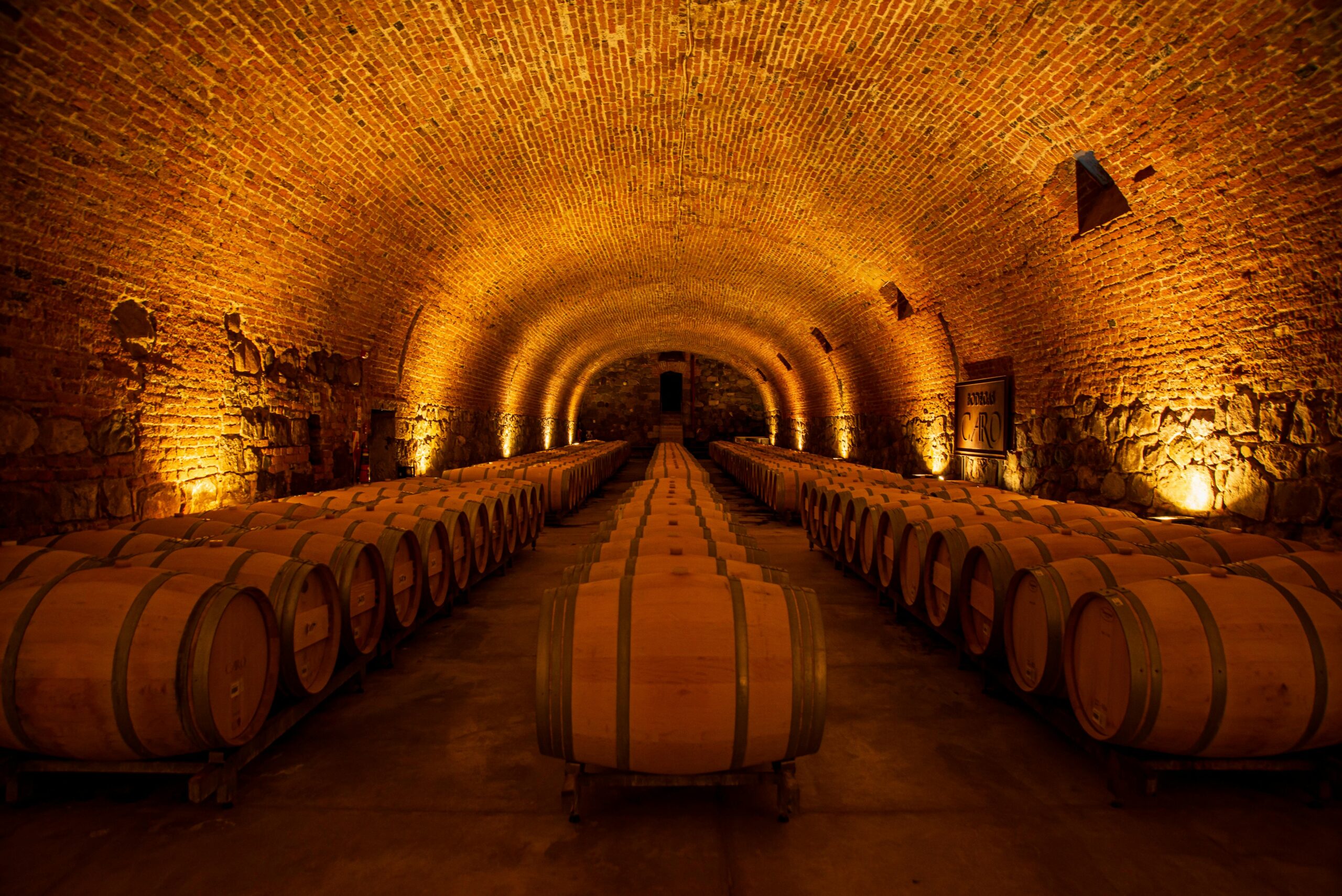
- centuries-old cellars,
- volcanic landscapes,
- harvest traditions,
- family histories,
- rare production methods.
These can fuel:
- YouTube channels,
- premium newsletters,
- wine education platforms,
- documentaries,
- luxury lifestyle content,
- influencer collaborations.
In many cases, media becomes a lead-generation engine for distribution.
7. Wine Investment & Alternative Assets
Fine wine is increasingly viewed as an alternative asset class.
Strategic operators can create:
- limited vintage allocations,
- collectible reserves,
- bonded storage programs,
- investor wine clubs,
- fractional ownership structures.
Hungarian wines remain early in this cycle compared to mature collectible markets.
8. Private Aviation & Ultra-Luxury Channels
Private jet operators, yacht charter companies, and elite concierge services constantly seek differentiated luxury experiences.
A “discover what nobody else serves” positioning is often more powerful than mainstream prestige labels.
Hungarian boutique wines fit this psychology perfectly.
The Strategic Advantage Is Relationship Capital
The greatest opportunity is not merely finding vineyards.
It is becoming the bridge between:
- exceptional producers,
- and global commercial sophistication.
Many boutique vineyard owners excel at winemaking but lack:
- international negotiation experience,
- luxury branding expertise,
- export structuring,
- global distributor relationships,
- digital positioning,
- high-end sales execution.
That gap is precisely where strategic business development firms like Yieldhacker create disproportionate value.
Why the Window Is Open Now
The opportunity exists because the market is still inefficient.
Once larger global distributors aggressively enter these regions:
- exclusivity becomes expensive,
- boutique allocations disappear,
- margins compress,
- and authentic access becomes harder to secure.
Today, many world-class Hungarian wines remain:
- underpriced,
- underdistributed,
- underbranded,
- and underrepresented globally.
That combination rarely lasts forever.
Final Thought
The future of premium wine is curated rarity instead of mass prestige.
Hungary offers something increasingly scarce in the global luxury economy:
authentic excellence that the market has not fully priced in yet.
For strategic business developers willing to build relationships, structure international partnerships, and create premium positioning around hidden vineyards, the upside extends far beyond wine distribution.
The real asset is access.
And access, when combined with storytelling, exclusivity, and global luxury distribution, becomes a scalable international business.