
Client Situation
A global advocacy organization sought to significantly expand its influence across Europe by establishing a coordinated, multi-country political presence. Its objective was to move beyond traditional advocacy models and build a sustainable network embedded within legislative systems, enabling more direct engagement with policymakers and faster alignment across countries on key policy issues.
While the organization had strong international backing and a clear agenda, it faced structural limitations. Advocacy efforts were largely fragmented, relying on bilateral country relationships and informal engagement with stakeholders. This made it difficult to achieve coordinated policy momentum across Europe or to maintain consistent influence within legislative bodies.
Strategic Challenge
The organization needed to:
-
Establish a direct and credible presence within European legislative systems
-
Build relationships across multiple layers of governance, including national and supranational institutions
-
Navigate complex political environments across different countries and ideologies
-
Engage both established policymakers and the next generation of political leaders
-
Create scalable structures for long-term advocacy and influence
At the same time, it was essential to maintain a balanced, bipartisan approach, ensuring engagement across the political spectrum without being perceived as aligned with any single party.
Our Approach
We designed and implemented a strategy focused on institutional network-building, multi-stakeholder engagement, and long-term political capital development.
1. Establishing Parliamentary Committee Networks
We supported the creation of a network of parliamentary committees across Europe, structured so that membership was limited to elected Members of Parliament (MPs).
This ensured:
-
High-level credibility and legitimacy
-
Direct access to legislative processes
-
A formalized structure for cross-country collaboration
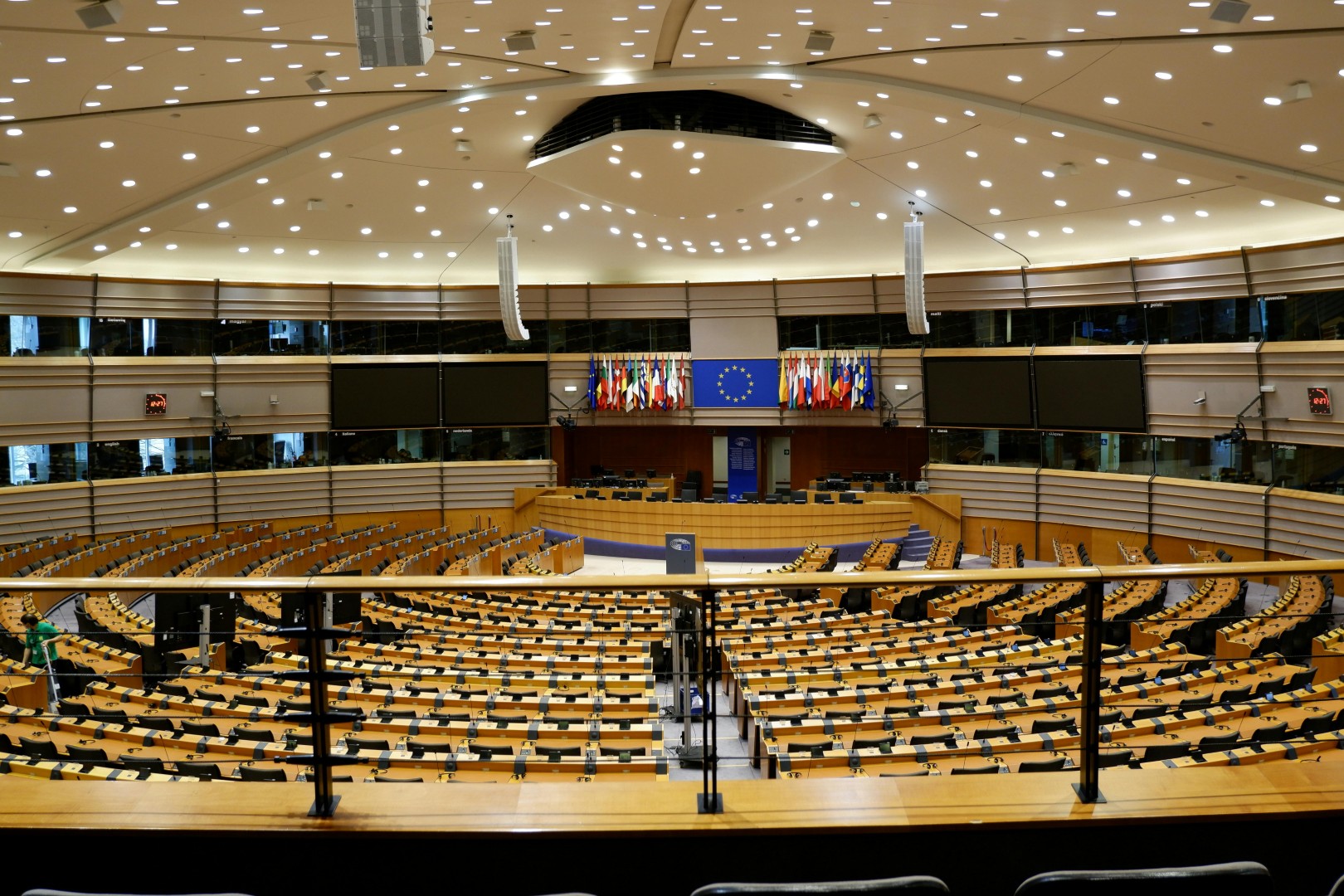
Through this model, the organization developed a coordinated presence across multiple national parliaments, as well as engagement within the European Parliament.
2. Multi-Stakeholder Ecosystem Development
Beyond parliamentary engagement, we built a broad ecosystem of relationships involving:
-
Political parties across the ideological spectrum
-
National governments and regulatory bodies
-
EU institutions
-
Embassies and diplomatic missions
-
Think tanks and research institutions
-
NGOs and civil society organizations
-
Grassroots advocacy groups and activist networks
This multi-layered approach enabled the organization to operate effectively across both formal and informal channels of influence.
3. Creation of a Multi-Lateral Advocacy Platform
A key innovation was the transition from bilateral engagement between countries to a multi-lateral organizational structure.
This allowed:
-
Direct coordination between stakeholders in multiple countries simultaneously
-
Faster alignment on shared policy objectives
-
More efficient dissemination of ideas and initiatives across borders
- Creation of a community where Members of Parliament were directly encouraged by each other’s activity
By building this structure, the organization was able to supplement traditional diplomatic channels, such as embassies and foreign ministries, with a more agile and less formal network of engagement.
4. Development of Future Political Leadership
We implemented a long-term strategy focused on engaging and developing young political talent.
Working with youth organizations of major political parties across Europe, we:
-
Identified and engaged aspiring politicians early in their careers
-
Facilitated cross-border connections and collaboration
-
Supported the development of clear policy positions on complex and often controversial topics
This approach was deliberately bipartisan, ensuring participation from both sides of the political spectrum.
As a result, many of these individuals:
-
Built strong international networks early in their careers
-
Entered electoral processes with established visibility and support structures
-
Positioned themselves effectively to secure elected office and fulfill their mandates
5. International Conferences and Public Engagement
To strengthen visibility and influence, we organized a series of international policy conferences, public events, and press engagements across Europe, the United States, and the Middle East.
These initiatives:
-
Created platforms for dialogue between policymakers, experts, and stakeholders
-
Elevated the organization’s profile on the global stage
-
Facilitated the exchange of ideas and best practices across regions
In parallel, we supported public demonstrations and advocacy campaigns, ensuring that policy discussions were complemented by visible public engagement.
6. Strategic Fundraising and Sustainability
We developed and executed an international fundraising strategy to support both core organizational operations and specific initiatives.
This included:
-
Engagement with institutional donors and philanthropic organizations
-
Project-based funding for targeted programs
-
Building long-term financial sustainability for the organization’s activities
The Outcome
The initiative resulted in the successful establishment of a pan-European political and advocacy network with significant reach and influence.
Key outcomes included:
-
Direct presence within the European Parliament
-
Engagement across multiple national parliaments throughout Europe
-
Creation of a structured network of parliamentary committees
-
Development of a broad, multi-stakeholder advocacy ecosystem
-
Establishment of a multi-lateral platform for cross-country coordination
-
Successful grooming and advancement of emerging political leaders
-
Execution of international conferences and high-visibility public events
-
Securing of sustainable funding for ongoing operations and initiatives
Strategic Impact
The project fundamentally transformed the organization’s ability to operate within Europe.
By embedding itself within legislative systems and building a multi-layered network of influence, the organization achieved:
-
Greater policy impact across multiple countries
-
Faster and more coordinated advocacy efforts
-
Enhanced credibility with institutional stakeholders
-
Long-term influence through the development of future political leaders
The creation of alternative, less formal channels of engagement also allowed for more direct and flexible interaction between countries, complementing traditional diplomatic structures.
Key Insight
In complex political environments, influence is not built through isolated interactions, but through networks, relationships, and long-term positioning. By combining institutional access, multi-stakeholder engagement, and leadership development, it is possible to create a durable platform for advocacy that operates across borders, political systems, and generations.